
What to Pack for Lapland in Winter: The Complete Arctic Packing List
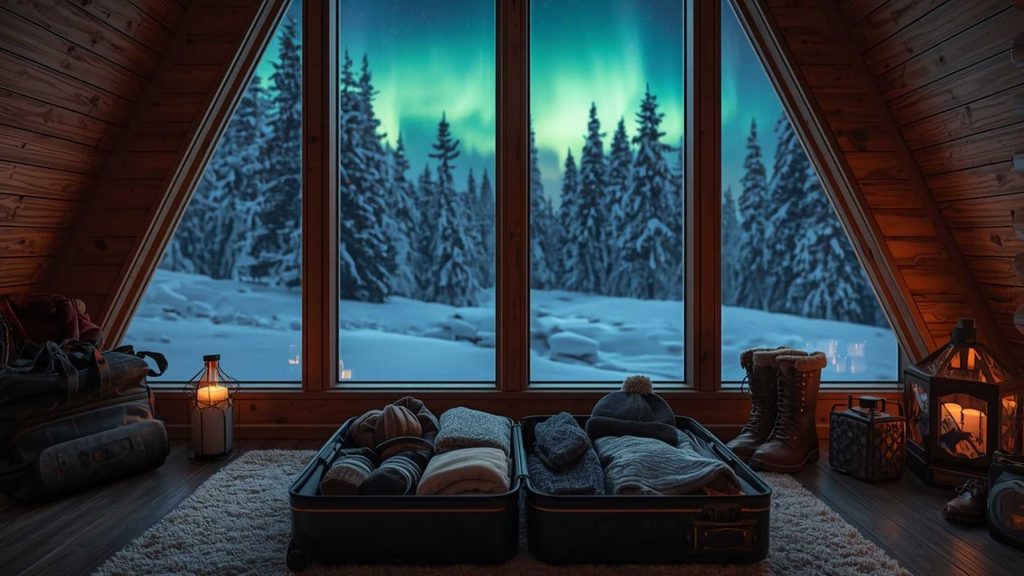
Packing for a winter holiday in Finnish Lapland is very different from packing for an ordinary European winter trip.
Temperatures can fall well below freezing, and many of the experiences that make Lapland special involve spending several hours outdoors. You might be searching for the Northern Lights late at night, riding through a snowy forest on a husky sled, travelling across a frozen lake on a snowmobile, or simply walking through the streets of Rovaniemi while snow falls around you.
The good news is that you do not need to arrive with a suitcase full of extreme Arctic equipment.
The secret is layering. With the right combination of base layers, insulation and protective outerwear, you can stay warm and comfortable while enjoying everything Finnish Lapland has to offer.
Here is everything you need to know about what to pack for Lapland in winter.
The Three Layer System
The most important thing to understand before travelling to Lapland is that staying warm is not simply about wearing one extremely thick jacket.
A proper layering system works much better because you can add or remove layers depending on the weather and your activity.
1. Base Layer
The base layer sits directly against your skin and helps move moisture away from your body.
Merino wool is an excellent choice because it is warm, breathable and continues to provide insulation even when slightly damp. Synthetic thermal clothing can also work well.
Try to avoid cotton. Cotton absorbs moisture and stays wet, which can make you feel considerably colder in Arctic conditions.
Pack at least two sets of thermal tops and leggings so you can alternate them during your trip.
2. Mid Layer
The middle layer provides insulation by trapping warm air close to your body.
A fleece jacket, wool sweater or lightweight down layer works well. On particularly cold days, you can combine two lighter insulating layers rather than relying on one extremely thick garment.
The advantage of layering is flexibility. You can remove a layer when you enter a warm restaurant or hotel and put it back on when you head outdoors.
3. Outer Layer
Your outer layer protects you from snow, wind and moisture.
A good winter jacket or parka should be both windproof and waterproof, with enough room to comfortably fit over your other layers. A hood and high collar are particularly useful when temperatures drop or strong winds pick up.
For organised activities, you may not need to bring specialist Arctic outerwear because many operators provide thermal suits.
Good Winter Boots Are Essential
If there is one category where you should pay particular attention, it is footwear.
Cold feet can quickly turn an enjoyable winter adventure into an uncomfortable one.
Choose insulated winter boots that are waterproof, comfortable and have good traction. Make sure they are large enough to accommodate warm socks without squeezing your feet.
This is important because overly tight boots can restrict circulation and reduce the effectiveness of the insulation.
Ice grips are another useful addition. These small traction devices attach to the bottom of your boots and can provide extra grip when walking on icy pavements.
Do Not Forget Warm Socks
Bring at least three pairs of good quality wool or merino socks.
Avoid making your boots too tight by simply adding multiple pairs of socks. If your feet are compressed inside the boots, circulation can suffer and your feet may actually become colder.
Protect Your Hands, Head and Face
Your extremities need special attention in Arctic weather.
Mittens Over Gloves
Mittens are generally warmer than traditional gloves because your fingers remain together and share body heat.
For activities such as photography, where you need more dexterity, consider wearing thin liner gloves underneath your mittens. This allows you to remove the outer mitten briefly without exposing your hands completely.
Keep Your Head Warm
A warm beanie that covers your ears is essential.
A neck gaiter is also extremely useful because it protects your neck and lower face from cold winds without constantly coming loose like a traditional scarf.
For very cold conditions, a balaclava or ski mask can provide additional protection.
If you are going snowmobiling or taking part in activities where you will be travelling quickly through the cold air, ski goggles can also be useful.
Protect Your Electronics from the Cold
Extreme cold can have a surprising effect on batteries.
Your smartphone or camera may lose battery power much faster than normal when exposed to freezing temperatures.
Keep your phone in an inner jacket pocket rather than an exposed outer pocket. A power bank is also worth carrying, but keep it close to your body so it remains warm.
If you are planning to photograph the Northern Lights, bring spare camera batteries and keep the unused batteries in an inside pocket.
When one battery becomes cold and loses power, you can swap it for a warmer spare.
Taking Northern Lights Photos
A camera capable of long exposure photography will give you more flexibility when photographing the aurora.
If you are using a smartphone, check its night photography settings before your trip. It is much easier to capture the Northern Lights when you already understand how your device works.
A small tripod can also make a big difference.
Skincare Matters in Lapland
Cold outdoor air combined with dry indoor heating can be tough on your skin.
Pack a rich moisturiser for your face and hands and bring a good lip balm to prevent your lips from becoming dry and cracked.
Sunscreen is also important. Snow reflects sunlight strongly, so exposed skin can still receive significant UV exposure during winter.
A saline nasal spray can also be useful if you find the dry Arctic and indoor air uncomfortable.
What You May Not Need to Pack
One of the biggest mistakes first time visitors make is filling their luggage with bulky winter equipment.
Many Lapland activity providers supply thermal overalls, winter boots and other equipment for organised excursions. Depending on the operator and package, you may be able to rent or borrow much of the specialist gear you need.
This means you can focus your suitcase on your own base layers, everyday clothing and accessories.
Always check with your activity provider before travelling so you know exactly what is included.
Packing for Children
Travelling to Lapland with children requires a little extra preparation.
The same layering principle applies, but comfort becomes even more important. Younger children may find a one piece snowsuit easier to manage than separate trousers and a jacket.
Pack spare gloves and socks because children can quickly get wet while playing in the snow.
Warm base layers, good boots, a hat and waterproof outerwear should be priorities.
It is also useful to bring a favourite toy, book or comfort item for evenings at the hotel, particularly if you are travelling with younger children.
And again, check what your resort or tour operator provides. Many family focused properties offer winter clothing for children, which can save considerable luggage space.
Your Lapland Winter Packing Checklist
Here is a simple checklist to help you prepare:
- 2 sets of thermal base layers
- 1 to 2 fleece or wool mid layers
- Warm waterproof and windproof winter jacket
- Insulated winter or ski trousers
- Warm, waterproof winter boots
- Ice grips for slippery surfaces
- 3 pairs of wool or merino socks
- Warm beanie covering the ears
- Neck gaiter or balaclava
- Warm mittens
- Thin liner gloves
- Hand and foot warmers
- Power bank
- Spare camera batteries
- Camera tripod if photographing the Northern Lights
- Lip balm
- Rich moisturiser
- Sunscreen
- Saline nasal spray
- Swimwear for saunas and hot tubs
- Comfortable indoor shoes or slippers
What to Wear for Different Lapland Activities
Your clothing needs can change depending on what you are doing.
Northern Lights hunting: Focus on maximum warmth because you may spend several hours standing or sitting outdoors at night.
Husky safari: A warm base layer, insulating middle layer and protective outerwear are essential. Activity providers often supply thermal suits.
Snowmobiling: Wind protection becomes especially important because you are travelling at speed. Helmets and other specialist equipment are normally provided.
Reindeer sleigh rides: These can involve long periods of sitting still, so warm boots, socks and hand warmers are particularly useful.
Walking around town: You may need fewer layers because you will regularly move between heated shops, restaurants and hotels.
The Most Important Rule: Stay Dry and Layer Smart
Packing for Lapland is not about owning the most expensive Arctic jacket.
It is about understanding how to stay warm.
Start with a moisture wicking base layer, add insulation in the middle and finish with a windproof and waterproof outer layer. Protect your hands, feet, head and face, and pay particular attention to footwear.
Do not forget that many tour operators provide specialist winter equipment, so check what is included before buying or packing bulky gear.
With the right preparation, even temperatures far below freezing can be manageable. Instead of worrying about the cold, you can concentrate on what you actually came to Lapland for: snowy forests, husky adventures, reindeer encounters, cosy saunas, magical winter landscapes and the possibility of seeing the Northern Lights.
Plan Your Finnish Lapland Holiday with Traavel Bug
Planning a winter holiday in Finland involves more than choosing flights and accommodation. The right activities, transfers, hotels and experiences can make a huge difference to your trip.
Traavel Bug can help you plan a personalised Finnish Lapland itinerary based on your interests, travel style and preferred pace.
From Rovaniemi and Santa Claus Village to Northern Lights tours, husky safaris, reindeer experiences, snowmobile adventures and glass igloo stays, we can help you create a memorable Arctic holiday.
📞 +91 72900 01545
📧 sm@traavelbug.com
Traavel Bug, where your journey begins and unforgettable memories follow.